


Fitment For Dummies A.K.A "Will this fit?"
 01-15-2009, 11:01 AM
#1

Fitment For Dummies A.K.A "Will this fit?"

A) Centerline - Middle of the rim.
B) Diameter - Diameter of the rim. Unit: Inches
C) Overall Diameter (O.D.) - Diameter of the wheel (rim and tire). Unit: Inches
D) Rim Width - Width of the rim. Unit: Inches
E) Offset - Distance of the mounting hub to the wheel's centerline Unit: Millimeters
F) Tire Width - Width of the tire tread. Unit: Millimeters
G) Tire Profile - Height of the tire sidewall. Unit: Percentage of the Section Width
All the math you will ever need:
1" = 25.4mm
Diameter:
Diameter will not play a significant roll in fitment as long as you stay within an equal (or close too) O.D.
Applying Width:
Convert the difference in width of your current wheel to the new wheel from inches to mm's. Because width is distributed to both sides of the centerline you will then divide that number in half. You now have the amount wider/narrower, in mm, that your new set up will be to each side of the centerline.
Cheat sheet (+/- 1mm):
1/2" = 6mm/Side
1" = 12mm/Side
Applying Offset:1/2" = 6mm/Side
1" = 12mm/Side
Offset is calculated directly. (+) Offset moves the wheel towards the center of the car, (-) away from the center of the car. Spacers act as (-) offset.
Choosing Tire Width:
Convert the tire width from millimeters to inches. Compare that number to the rim width. If you need a stretch for clearance run narrower. Want more meat? Run wider.
Choosing Profile:
O.D. is fairly available information and the goal is generally to match that number as close as possible using the desired diameter and section width. A good rule of thumb is for every (+/-) inch you will need a (+/-) 5 series profile tire.
---
Armed with this information and a tape measure you can figure out any and all fitment questions.
Last edited by BLACKonBLACK98; 01-17-2009 at 04:52 PM.




 01-18-2009, 09:08 AM
#3

School started up again so Ive been swamped. Plus I've been focused a lot more on audio lately (Both home and car)
Anyways, What I did in the other thread is laid down some base values for flushness in the front. I cant seem to find it now :\
9" +38
8.5" +32
8" + 26
7.5" +20
7" +14
These are fairly conservative and I don't account for the decimal place (Unit of error is 1mm for every reduction of 1.5" of wheel width from baseline 9"). There is definately more room to poke out more then camber in as needed. 9.5 Will fit in the front, but Im not sure if it will with a +44 offset (to make it flush). I run +35 with no problems, though I have a conservative drop.
For the rear add spacer to match. Or if you want to stagger.
10" +41
9.5" +35
9" +29
8.5" +23
8" +17
Again did not account for the error. Obviously you can stray +/- 1-5mm and still be close to the fender if the wheel in question does not match the criteria above.
----
Making it too easy?
Anyways, What I did in the other thread is laid down some base values for flushness in the front. I cant seem to find it now :\
9" +38
8.5" +32
8" + 26
7.5" +20
7" +14
These are fairly conservative and I don't account for the decimal place (Unit of error is 1mm for every reduction of 1.5" of wheel width from baseline 9"). There is definately more room to poke out more then camber in as needed. 9.5 Will fit in the front, but Im not sure if it will with a +44 offset (to make it flush). I run +35 with no problems, though I have a conservative drop.
For the rear add spacer to match. Or if you want to stagger.
10" +41
9.5" +35
9" +29
8.5" +23
8" +17
Again did not account for the error. Obviously you can stray +/- 1-5mm and still be close to the fender if the wheel in question does not match the criteria above.
----
Making it too easy?
Last edited by Fast1one; 01-18-2009 at 09:27 AM.
01-18-2009, 10:12 AM
#4
i think fitment is too subjective to recommend values, which is why i explained how to figure it out rather than just spit out numbers. additionally those numbers apply only to 4th gens. can't really expect ppl to stop and figure fitment out if you keep givin generic answers, right?
shouldn't be long before "how come i crunched my fenders dropped on coilovers with 20x9.5 +35 w/ 275/35 tires".
shouldn't be long before "how come i crunched my fenders dropped on coilovers with 20x9.5 +35 w/ 275/35 tires".
01-18-2009, 11:05 AM
#5

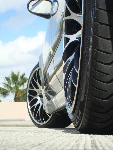
Put it this way, if you were ever gonna get another set, you'd have to pry them from my kung fu grip! 
Bottom of page 3 and 4. More pics to come too.
http://forums.maxima.org/members-rid...edition-3.html
Couldn't agree more. Those are good recomended values for fitment, but it's only universal for a 4th gen with unmodded fenders. For example. On my car, (a33 i30) I dont have as much poke as rich had on his 4th gen with his old wheels. Or so it seems from pictures.
Bottom of page 3 and 4. More pics to come too.
http://forums.maxima.org/members-rid...edition-3.html
i think fitment is too subjective to recommend values, which is why i explained how to figure it out rather than just spit out numbers. additionally those numbers apply only to 4th gens. can't really expect ppl to stop and figure fitment out if you keep givin generic answers, right?
shouldn't be long before "how come i crunched my fenders dropped on coilovers with 20x9.5 +35 w/ 275/35 tires".
shouldn't be long before "how come i crunched my fenders dropped on coilovers with 20x9.5 +35 w/ 275/35 tires".
01-18-2009, 04:02 PM
#6
dont forget the size of the tire. even if the rim is flush with the fender, particular tires are wider than some and narrower than others. being flush means your probably going to have to have a slight stretch to accomodate against fender rub. height drop (and camber specs if any) also needs to be taken into account as well.
01-18-2009, 06:11 PM
#7
dont forget the size of the tire. even if the rim is flush with the fender, particular tires are wider than some and narrower than others. being flush means your probably going to have to have a slight stretch to accomodate against fender rub. height drop (and camber specs if any) also needs to be taken into account as well.
tire size can make or break a setup in both looks and fitment. (or lack there of)
 03-27-2009, 03:39 PM
#9
08-06-2009, 03:42 PM
#10
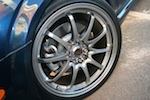
bumping this, I found this helpful tool only for it to tell me the size/offset wasnt what i was looking for...
http://www.1010tires.com/WheelOffsetCalculator.asp
http://www.1010tires.com/WheelOffsetCalculator.asp
12-11-2009, 05:26 PM
#11
Junior Member

Join Date: Oct 2009
Posts: 25
Ok, so I see there is ton's of discussion on rims and offset. I'm finally starting to understand offset (I think). I'm now realizing what the impact would be if I didn't maintain the same offset as my OEM 19" rims (I'm looking for a nice winter set). My problem is, I don't see a lot of aftermarket rims with 50mm offset? Granted 45mm probably wont' make that much of a difference, but I'm curious to know from all the guys who have purchased aftermarket rims what off-set they went with?
If I understand what I read correctly, a 30mm offset would mean the rims would sit 20mm further out of the wheel well, yes? Anyone doing that? Anyone have pics of that?
Thanks.
If I understand what I read correctly, a 30mm offset would mean the rims would sit 20mm further out of the wheel well, yes? Anyone doing that? Anyone have pics of that?
Thanks.
12-12-2009, 12:05 PM
#12
It will sit 20mm farther from where your original wheel sits, given the fact that its the same with. If the widths are different then you've got some more math to do.


 09-12-2010, 10:31 AM
#16

School started up again so Ive been swamped. Plus I've been focused a lot more on audio lately (Both home and car)
Anyways, What I did in the other thread is laid down some base values for flushness in the front. I cant seem to find it now :\
9" +38
8.5" +32
8" + 26
7.5" +20
7" +14
These are fairly conservative and I don't account for the decimal place (Unit of error is 1mm for every reduction of 1.5" of wheel width from baseline 9"). There is definately more room to poke out more then camber in as needed. 9.5 Will fit in the front, but Im not sure if it will with a +44 offset (to make it flush). I run +35 with no problems, though I have a conservative drop.
For the rear add spacer to match. Or if you want to stagger.
10" +41
9.5" +35
9" +29
8.5" +23
8" +17
Again did not account for the error. Obviously you can stray +/- 1-5mm and still be close to the fender if the wheel in question does not match the criteria above.
----
Making it too easy?
Anyways, What I did in the other thread is laid down some base values for flushness in the front. I cant seem to find it now :\
9" +38
8.5" +32
8" + 26
7.5" +20
7" +14
These are fairly conservative and I don't account for the decimal place (Unit of error is 1mm for every reduction of 1.5" of wheel width from baseline 9"). There is definately more room to poke out more then camber in as needed. 9.5 Will fit in the front, but Im not sure if it will with a +44 offset (to make it flush). I run +35 with no problems, though I have a conservative drop.
For the rear add spacer to match. Or if you want to stagger.
10" +41
9.5" +35
9" +29
8.5" +23
8" +17
Again did not account for the error. Obviously you can stray +/- 1-5mm and still be close to the fender if the wheel in question does not match the criteria above.
----
Making it too easy?
 02-14-2011, 09:52 AM
#18
Member

Join Date: Nov 2009
Posts: 153
so, since my 1997 Maxima has stock 15" steel wheels and hubcaps and a full size spare tire all I have to do to figure out what offset I need is to measure from the inside of the stock steel wheel to the centerline and compare that measurement to the 16" Konig wheels that I just got that came off of a 2001 Mitsubishi Gallant. If the offset is extremely close I should be good to go I guess. I also need to check the overall width but they look fairly normal to me.
02-14-2011, 10:41 AM
#19

so, since my 1997 Maxima has stock 15" steel wheels and hubcaps and a full size spare tire all I have to do to figure out what offset I need is to measure from the inside of the stock steel wheel to the centerline and compare that measurement to the 16" Konig wheels that I just got that came off of a 2001 Mitsubishi Gallant. If the offset is extremely close I should be good to go I guess. I also need to check the overall width but they look fairly normal to me.
 03-13-2011, 08:44 AM
#21

Join Date: Sep 2010
Location: NYC
Posts: 14
School started up again so Ive been swamped. Plus I've been focused a lot more on audio lately (Both home and car)
Anyways, What I did in the other thread is laid down some base values for flushness in the front. I cant seem to find it now :\
9" +38
8.5" +32
8" + 26
7.5" +20
7" +14
These are fairly conservative and I don't account for the decimal place (Unit of error is 1mm for every reduction of 1.5" of wheel width from baseline 9"). There is definately more room to poke out more then camber in as needed. 9.5 Will fit in the front, but Im not sure if it will with a +44 offset (to make it flush). I run +35 with no problems, though I have a conservative drop.
For the rear add spacer to match. Or if you want to stagger.
10" +41
9.5" +35
9" +29
8.5" +23
8" +17
Again did not account for the error. Obviously you can stray +/- 1-5mm and still be close to the fender if the wheel in question does not match the criteria above.
----
Making it too easy?
Anyways, What I did in the other thread is laid down some base values for flushness in the front. I cant seem to find it now :\
9" +38
8.5" +32
8" + 26
7.5" +20
7" +14
These are fairly conservative and I don't account for the decimal place (Unit of error is 1mm for every reduction of 1.5" of wheel width from baseline 9"). There is definately more room to poke out more then camber in as needed. 9.5 Will fit in the front, but Im not sure if it will with a +44 offset (to make it flush). I run +35 with no problems, though I have a conservative drop.
For the rear add spacer to match. Or if you want to stagger.
10" +41
9.5" +35
9" +29
8.5" +23
8" +17
Again did not account for the error. Obviously you can stray +/- 1-5mm and still be close to the fender if the wheel in question does not match the criteria above.
----
Making it too easy?
im thinking F 18x8"+26, R 18x8+17" should i go 4 it..?? or do the 8.5"
please let me know i have to get new shoozz 4 me bad boy
 03-25-2011, 11:13 PM
#25
http://www.b15sentra.net/forums/show...87&postcount=1
Judging by that post, Id say its a 17x7 +47. Thats a pretty high offset. Someone will have to answer if itll fit or not.
Judging by that post, Id say its a 17x7 +47. Thats a pretty high offset. Someone will have to answer if itll fit or not.

 08-27-2011, 12:53 AM
#28
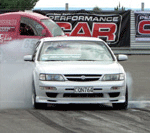
Stud pattern: 5 Stud x 114.3 PCD ~ 72mm centre bore
Rim size: 17 inch x 8.5 Offset ET 30+
I never understood any of this, i recently found some 17 inch rims to put on my maxima that has had tiny 16 inch wheels on it since 1997. IS the information provided above enough for anyone to tell if this will be an ok setup on my 97 Maxima SE
Rim size: 17 inch x 8.5 Offset ET 30+
I never understood any of this, i recently found some 17 inch rims to put on my maxima that has had tiny 16 inch wheels on it since 1997. IS the information provided above enough for anyone to tell if this will be an ok setup on my 97 Maxima SE
 09-27-2011, 09:43 PM
#31

 10-04-2011, 01:11 PM
#33
Newbie - Just Registered

Join Date: Sep 2011
Posts: 9
Will these fit?
So I just bought an '11 maxima 2 weeks ago and I am looking at getting rims for it. I found a set of wheels/tires I'm intereted in locally, however I'm not sure if they will fit.
Would 19x9.5 with a +40 mm offset work? I see a few people running it in the back but what about the front? If so what size tires would I need for clearance? Anyone have any pics of this? Its currently sitting at stock ride hight, not sure if I'm going to lower it or not due to the amount of commuting I do.
The same wheels come in a 19x8, but buying them off my local craigslist with tires will save a good chunk of money.
Thanks in advance.
Would 19x9.5 with a +40 mm offset work? I see a few people running it in the back but what about the front? If so what size tires would I need for clearance? Anyone have any pics of this? Its currently sitting at stock ride hight, not sure if I'm going to lower it or not due to the amount of commuting I do.
The same wheels come in a 19x8, but buying them off my local craigslist with tires will save a good chunk of money.
Thanks in advance.
 11-05-2011, 07:11 PM
#36

Join Date: Jun 2008
Posts: 19
I just bought and 08 and I am looking to upgrade the wheels I love this ones

Rims Size: 20 X 9.0" front & 20 X 10" rear
Bolt Pattern: 5 X 114.3
Offset: 35 mm front / 43 mm rear
Can I get way with the fitment? what size tires would do best!
Thanks
Can I get way with the fitment? what size tires would do best!
Thanks
11-06-2011, 12:54 PM
#39
Isn't avant garde the company that only makes wheels in euro bolt patterns? If so, you would need adapters to run them. I could be wrong, but just verify that before buying.